
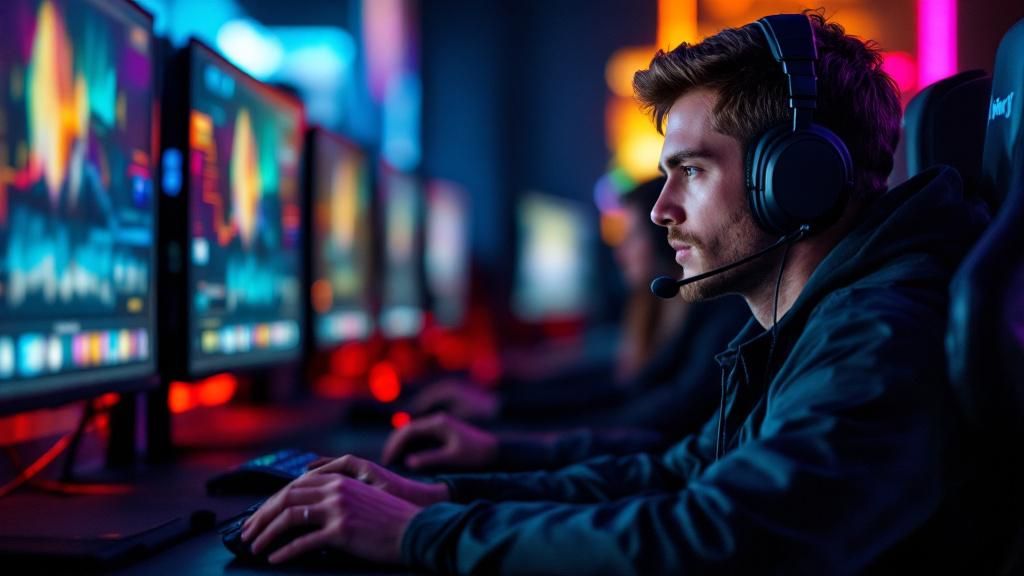
The professional gaming industry has experienced a substantial transformation, with elite esports organisations now emphasising mental health support as increasingly. Recognising that the demands of competition, demanding schedules, and constant examination can impose considerable mental strain, leading teams are committing significant funding into extensive wellbeing initiatives. From qualified psychological experts to therapeutic support and resilience training, these initiatives represent a pivotal transformation in how the industry supports athlete mental health, dismantling persistent taboos and establishing fresh benchmarks for player support.
The Growing Importance of Psychological Wellbeing in Esports
The esports landscape has experienced a profound shift in recent years, with mental health emerging as a key priority for top-tier teams. As competitive esports expands exponentially, the psychological demands placed upon players have grown more evident. Top-tier teams now acknowledge that sustained performance requires robust mental wellbeing support, going past conventional fitness regimens to address the mental and emotional pressures central to high-stakes competition.
This progression shows a wider transformation in perspective throughout the field, where acknowledging psychological difficulties is no more regarded a shortcoming but instead an essential component of professional performance. Players experience unrelenting pressure from tournaments, sponsorship obligations, and public examination, often whilst sustaining demanding practice schedules. By placing emphasis on mental wellbeing services, forward-thinking bodies are not only protecting their players’ overall wellbeing but additionally enhancing organisational performance and cultivating healthier and more enduring careers across competitive gaming.
Full-scale Support Structures and Services
Professional competitive gaming groups have established integrated support frameworks that go well past standard sports psychology. Many teams now employ full-time mental health specialists, such as certified counsellors, psychiatrists, and fitness and wellness coaches who collaborate closely with players throughout the competitive season. These specialists offer personalised counselling sessions, cognitive behavioural therapy, and tailored coping techniques tailored to each player’s unique challenges and circumstances.
Beyond individual therapy, leading esports organisations have implemented comprehensive wellness programmes encompassing meditation sessions, nutritional guidance, physical fitness regimens, and rest optimisation methods. Teams acknowledge that psychological support demands a integrated framework, combining physical wellbeing with psychological care. Additionally, many organisations provide support networks, group bonding initiatives, and training sessions addressing burnout prevention, anxiety management, and constructive coping techniques, building a culture where requesting assistance is normalised and encouraged.
Difficulties and Forthcoming Progress
Despite substantial progress, professional gaming teams still face significant obstacles in implementing broad-ranging mental health support. Many smaller-scale organisations are without the monetary means to engage full-time psychologists or counsellors, creating disparities in quality of care across the industry. Additionally, some players are hesitant to access support due to entrenched stigma within gaming culture, whilst others grapple with privacy concerns regarding private mental health information. These barriers require sustained promotion and industry-wide standards to ensure fair access to support services for all competitive players.
The emerging landscape of psychological support services in esports appears increasingly promising, with emerging technologies delivering cutting-edge approaches. Virtual reality therapy, AI-powered psychological wellbeing tools, and digital support networks are broadening access beyond traditional counselling methods. Furthermore, awareness programmes targeting young players aim to normalise discussions around psychological wellbeing from the outset of their careers. As the industry matures, introducing professional accreditations for esports psychologists and developing evidence-based industry standards will probably establish themselves as accepted norms, strengthening the comprehensive support structure for player wellbeing.
Looking forward, partnership among gaming organisations, mental health professionals, and regulatory bodies will prove essential for sustainable progress. Investment in longitudinal research investigating the effectiveness of current interventions will inform future programme development. Additionally, encouraging transparent communication between players, coaches, and management teams can establish nurturing settings where mental health concerns are tackled in advance rather than reactively. In the end, placing mental health first alongside competitive excellence will position esports as a truly forward-thinking industry that values holistic athlete development.
