
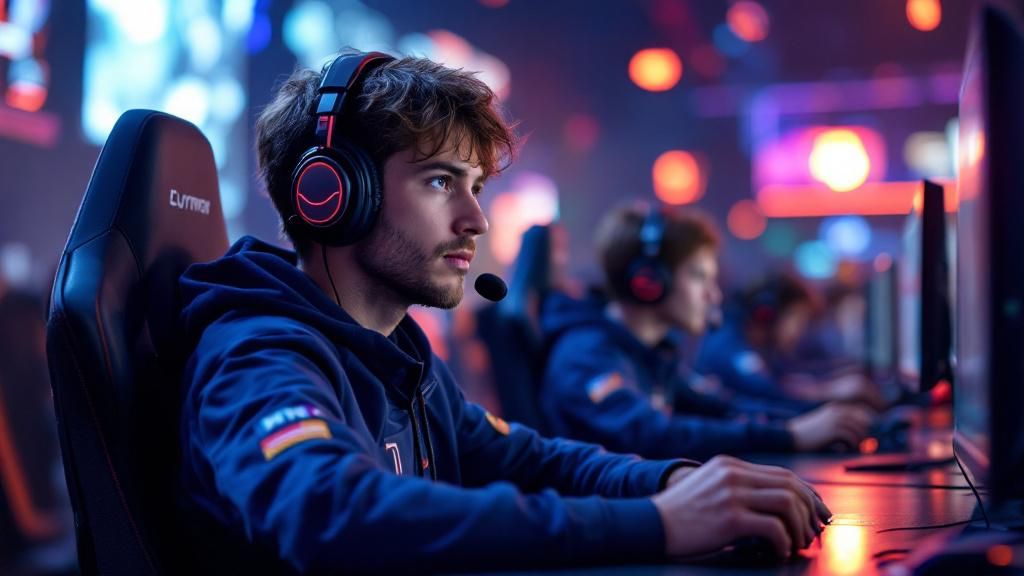
The esports industry has made considerable progress in prioritising competitor wellbeing. Prominent event operators have together launched a detailed player protection standards framework, addressing established worries about psychological wellbeing, employment standards, and equitable treatment within competitive esports. This landmark initiative constitutes a pivotal moment for esports legitimacy, setting foundational safeguards that could fundamentally alter how the industry operates. We examine the framework’s central components, the bodies spearheading this shift, and what it means for competitors and the esports ecosystem in the future.
Sector-Wide Dedication to Player Health
The collaborative effort between major esports companies marks a pivotal turning point for competitor welfare within competitive gaming. This cohesive approach demonstrates the sector’s real dedication to developing enduring guidelines that place athlete welfare first alongside competitive excellence. By pooling resources and expertise, these organisations have created comprehensive guidelines addressing physical health, psychological wellbeing, and professional security. The initiative reflects growing recognition that competitor health substantially impacts competitive performance and professional lifespan, making it crucial for the sport’s credibility and growth.
Tournament organisers have acknowledged that previous standards were scattered and uneven, exposing competitors to abuse and fatigue. The updated system creates uniform requirements across major competitions, ensuring every professional competitor gets fair consideration and access to essential support services. This unified strategy eliminates competitive disadvantages arising from varying welfare provisions and sets fair competition standards. Industry leaders highlight that these standards constitute baseline expectations, encouraging organisations to go beyond minimum standards and foster genuinely supportive environments where athletes can flourish both professionally and personally.
Core Features of the Social Support Framework
The newly formed welfare framework comprises various interrelated pillars designed to safeguard player welfare comprehensively. These provisions address mental health support, physical fitness, reasonable working standards, and clear dispute handling processes. By combining these components, tournament organisers strive to develop a comprehensive strategy that recognises esports athletes as competitive professionals entitled to robust protections. The framework defines essential standards that all participating tournaments are required to adopt, providing uniform player protections across the esports competitive sector.
Mental Wellbeing Assistance Programmes
Acknowledging the emotional demands present within professional esports, the framework requires availability of mental health specialists for all players competing. Tournament operators must provide confidential counselling services, via direct provision or partnerships with accredited mental health professionals. Such services include stress management, support for performance-related anxiety, and crisis support resources. Players receive access to qualified psychologists who understand esports-specific challenges, encompassing online abuse, intense competitive pressure, and career instability.
The framework also stipulates tournaments to implement mental health awareness programmes and anti-stigma campaigns within the community. Organisers need to educate players, coaches, and staff about identifying psychological difficulties and obtaining appropriate support. Regular check-ins and wellbeing tracking mechanisms help identify struggling players early, facilitating preventative measures before situations develop into critical psychological situations.
Physical Health Requirements
Tournament coordinators must establish detailed wellness standards tackling ergonomics, break times, and healthcare monitoring. The framework requires appropriate chairs, screen placement, and downtime to prevent RSI prevalent in esports professionals. Healthcare professionals must be present at major tournaments to manage pressing health problems, whilst organisers are obliged to give advice about injury prevention and proper healthcare support for long-term player development.
Environmental factors at tournament venues are now subject to strict standards ensuring player wellbeing and safety. Regulations cover temperature control, lighting standards, and noise levels to establish optimal competitive conditions. Additionally, the framework supports players to have periodic health checks and offers guidance on diet, sleep hygiene, and exercise routines vital to sustained professional performance in esports.
- Workplace gear evaluations conducted by qualified specialists
- Required breaks between matches preventing athlete fatigue
- Medical personnel on location available throughout tournament proceedings
- Injury prevention training and rehabilitation service availability
- Wellness tracking systems monitoring player wellbeing across the year
Rollout Schedule and Requirements
The framework will be deployed in three different phases, beginning immediately with preliminary assessments across participating organisations. Tournament operators have agreed to completing first audits of their present procedures by the end of the first quarter, pinpointing differences between existing protocols and the revised guidelines. This initial stage ensures a thorough understanding of each organisation’s current standing before making material alterations. Following phases will encompass team training, policy updates, and the implementation of autonomous monitoring systems to secure conformity and responsibility throughout the esports ecosystem.
The standards themselves include mandatory provisions covering mental health support, sensible practice arrangements, and transparent prize distribution protocols. Each organisation is required to appoint a dedicated player welfare officer responsible for addressing grievances and ensuring adherence to guidelines. Regular audits, carried out by third-party bodies, will confirm adherence and identify areas requiring improvement. These extensive protections create quantifiable standards for player protection, with regulatory tools including monetary sanctions and possible competition restrictions for organisations unable to meet required standards.
Industry Response and Future Outlook
The announcement has garnered considerable endorsement from stakeholders across the esports ecosystem. Professional player groups have commended the guidelines as a crucial development towards elevating the professionalism of the industry, whilst team owners and financial backers acknowledge the opportunity for greater credibility and longevity. Hardware producers and streaming platforms have undertaken to incorporate player welfare into their business practices, demonstrating a unified resolve to comprehensive transformation. Early indications indicate that oversight organisations and government officials perceive the standards with approval, conceivably facilitating formal legal recognition of competitive gaming as a legitimate professional sector.
Looking ahead, sector analysts predict that this framework will serve as a blueprint for global adoption, with regional competitions and grassroots events expected to adopt similar guidelines. The initiative is likely to encourage continued dialogue regarding athlete remuneration, career development pathways, and psychological support services. As esports continues its rapid expansion, these welfare standards constitute a crucial safeguard guaranteeing that competitive gaming remains viable, welcoming, and respectful for all participants, ultimately strengthening the industry’s standing as a legitimate competitive sector.
